Damage to your rental property: How landlords should deal with damage
Understanding property damage
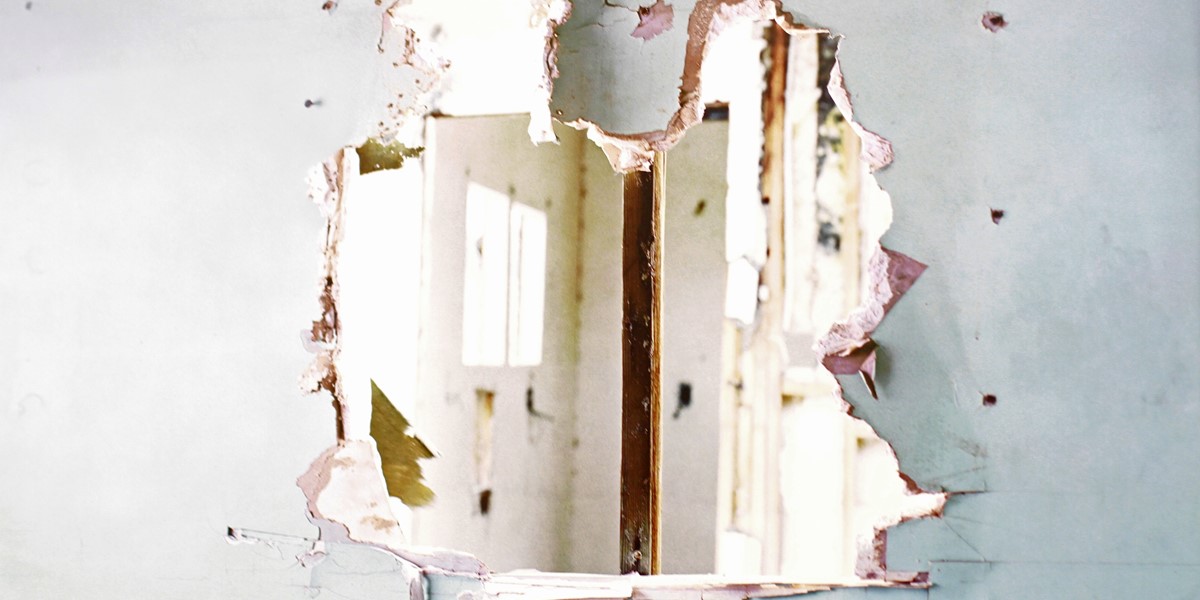
Damage in rental properties can happen at any time, whether accidental or deliberate. Because tenants move more frequently than homeowners, landlords face a higher risk of damage. Understanding how to identify, assess, and resolve damage fairly is essential for maintaining property value and avoiding disputes.
Who is responsible for repairs?
In most cases, tenants are responsible for damage they cause during a tenancy. They should report the issue immediately to the landlord or letting agent so repairs can be arranged. The cost of repairs may be deducted from the tenancy deposit at the end of the agreement if not resolved beforehand.
Best practice for tenants:
- Report all damage promptly and honestly.
- Avoid concealing or ignoring issues.
- Repair damage before leaving, if agreed with the landlord.
- Keep dated photos or videos as evidence of the property’s condition.
Landlords should keep written records of tenant communication and obtain professional repair quotes to ensure transparency and fairness.
Register today! Be amongst the first to see new and off-market homes for sale or to rent in your area.

Wear and tear vs damage
Landlords must distinguish between natural wear and tear and tenant-caused damage when assessing repair costs.
Examples of wear and tear:
- Appliances breaking down from age or regular use.
- Paint fading or light scuffs on walls.
- Furniture marks, scratches, or discolouration from daily use.
- Faded curtains or worn carpets.
Examples of tenant damage:
- Broken windows caused by negligence.
- Burn marks or stains on carpets and furnishings.
- Furniture damage or broken fittings.
- Pet-related damage or misuse of electrical items.
Landlords cannot legally deduct deposit funds for fair wear and tear.
When damage is not the tenant’s fault
Some damage arises from causes outside the tenant’s control. In these cases, the landlord is responsible for arranging and paying for repairs.
Common examples include:
- Leaks or flooding from neighbouring properties.
- Structural damage caused by storms or external building work.
- Accidental damage from contractors or maintenance personnel.
Landlords should maintain specialist landlord insurance to cover accidental or third-party damage. Tenants’ personal belongings, however, are not the landlord’s responsibility to replace unless damage was caused by the landlord’s negligence.
Damage caused by crime
If a property is damaged due to criminal activity, the landlord must repair and secure the property.
Examples:
- Broken windows or doors after a burglary.
- Vandalism in shared areas.
Tenants should contact the police to file a report, while landlords must ensure the property is safe and secure before reoccupation. Belongings lost or damaged due to crime are not the landlord’s responsibility.
Is a deposit affected by damage?
Landlord’s are legally obligated to secure tenant’s deposits in a protection scheme (see haart’s full guide here). At the end of a tenancy, any damage that will cost a landlord money to repair can be taken from the deposit. This is why it is vital for tenants and landlords to communicate as soon as any damage occurs, to make sure it is paid for fairly and that each party is happy.
Shelter England, cover the topic of damage and deposits, stating: “Your landlord may use your deposit to cover damage you caused in the property. They should only charge you a reasonable amount on a ‘like for like’ basis. For example, if you caused damage to a cheap old bed you shouldn’t be asked to pay for the cost of a high quality or brand new replacement.”
Be aware that the guide is provided for tenants. Landlords can seek further advice from the NLA (National Landlord’s Association)
What is an inventory report?
As part of haart’s tips for landlords, we recommend taking an inventory report at the beginning of any tenancy. A detailed inventory report protects both landlord and tenant. It records the property’s contents and condition before move-in and again after move-out, helping resolve disputes fairly. Photos, dates, and signatures from both parties make the report legally stronger.
Renting with haart
At haart, we can help you find the perfect place to live with our perfect mix of technology and expert local knowledge. We’re up to date on all the latest legislation, too. See our piece on the Tenant Fee Ban, or brush up on the obligations for a tenant. We’re also here for landlords. If you have questions about managing a tenant, or need to find your next home, get in touch today and let haart help.